
I had just finished watching A24’s highly anticipated film Babygirl, and I have to say, I have thoughts. For a movie as hyped up as this one—especially coming from A24—I was expecting more than just mommy porn or a Wattpad fantasy. (Warning: as much as I hate spoilers there might be slight spoilers contained), but let’s just say the film seemed to be building toward a profound commentary on power dynamics, only to fizzle out without offering much resolution.
Still, it got me thinking about the rise of older women-younger partner narratives in mainstream media. From the uneasy tension in May December to Anne Hathaway’s role in The Idea of You, where a middle-aged divorcee finds herself swept into a romance with a younger man. These films, along with an increasing number of stories featuring older female leads with younger male partners, seem to have struck a chord with audiences.
So, how did these relationships become the latest cultural fascination? Let’s unpack how society and pop culture view these dynamics, exploring how films frame the nuances of power, control, and desire in these unconventional romances.
Historical Double Standards in Age-Gap Relationships and the Path to Change
Historically, Hollywood and pop culture have normalized (or perhaps even glorified) relationships between older men and younger women, often portraying them as symbols of power, status, and desirability. From Casablanca to Pretty Woman, the older male-younger female dynamic has been normalized to the point of ubiquity, reinforcing patriarchal notions that equate male aging with wisdom and wealth while reducing women’s worth to their youth and beauty.
In stark contrast, relationships involving older women and younger men have been stigmatized, often dismissed as “cougar” narratives or fetishized in ways that undermine their legitimacy. This double standard has its roots in societal expectations of gender roles, where men are traditionally seen as providers and women as caregivers.
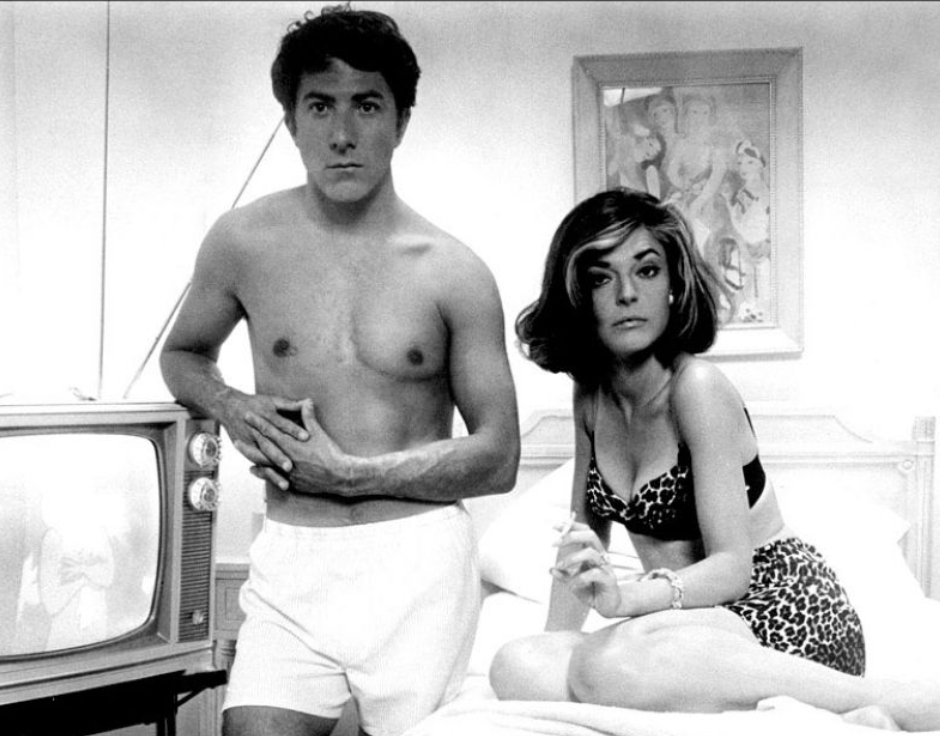
The tide began to shift with the rise of feminist movements and changing attitudes toward gender and aging. Films like The Graduate, while controversial, hinted at the complexities of older women-younger men dynamics, and more recent narratives have built on these foundations.
From “May December” to Mature Empowerment
Netflix’s May December, starring Julianne Moore and Natalie Portman, leans into the discomfort of a scandalous relationship with a dramatic age gap. Moore’s character is haunted by her past as an older woman who pursued a much younger man. This film critiques society’s moral judgments while juxtaposing them with our voyeuristic curiosity. The movie’s uneasy tone invites viewers to grapple with the power dynamics and psychological intricacies often accompanying such relationships.
Films like May December and The Graduate focus on relationships that blur the line between consensual romance and predatory behavior. These narratives often reflect the darker side of age-gap dynamics, forcing audiences to confront the uncomfortable realities of grooming and manipulation. By exploring the consequences of such relationships, these films challenge viewers to question the morality and power imbalances inherent in them.

From Taboo to Tender: The Idea of You and the Rise of Positive Age-Gap Narratives
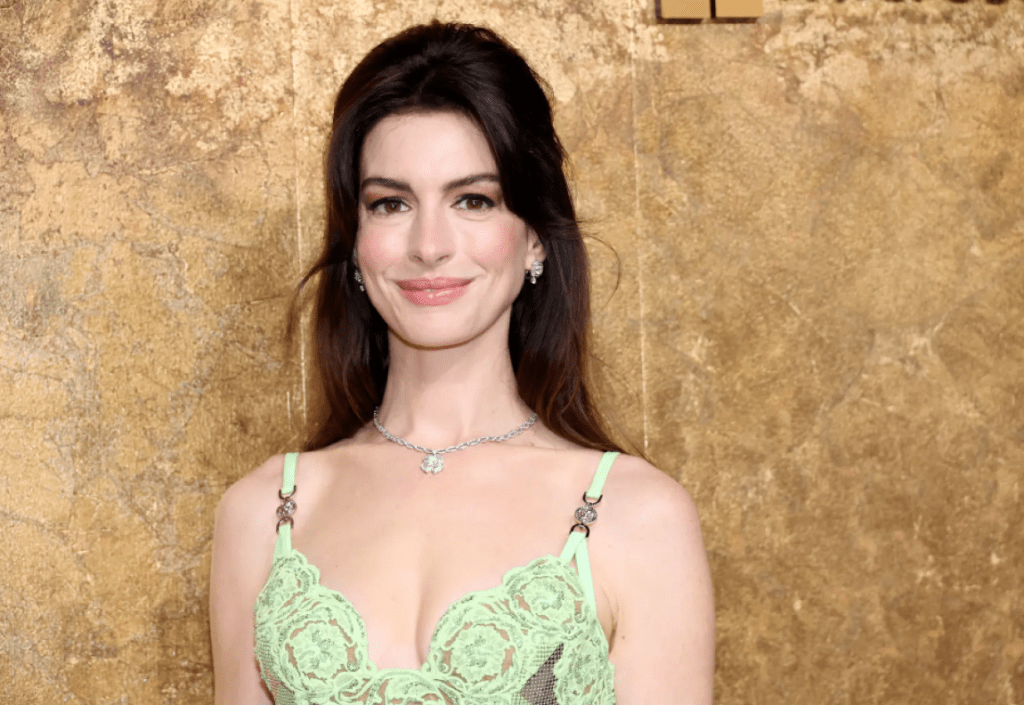
Anne Hathaway’s The Idea of You takes a refreshing approach to age-gap relationships by placing a divorced, middle-aged woman at its heart. This film showcases her romantic entanglement with a younger man not as a scandal but as an exploration of rediscovery and passion. It’s a far cry from the guilt-ridden dynamics of May December. Instead, it’s aspirational—a modern fairy tale with realistic undertones that resonate with audiences tired of seeing older women relegated to the sidelines.
Another film exploring the dynamics of older women-younger men is Lonely Planet, starring Laura Dern. Set against the romantic backdrop of Morocco, the movie portrays an older woman’s journey to self-discovery while navigating a relationship with a significantly younger man. The nuanced storytelling emphasizes emotional connection over societal judgment, challenging preconceived notions about age and romance.

Revisiting Power Dynamics: Babygirl’s Missed Opportunity
Enter Babygirl, an A24 gem that subverts the power imbalance trope. Instead of focusing on manipulation or exploitation, the film delves into the emotional depth of its female protagonist, portraying her desires, vulnerabilities, and agency. With sharp dialogue and a layered narrative, Babygirl flips the script, making its audience root for an unconventional love story that celebrates the older woman’s autonomy.
Looking ahead, Bridget Jones: Mad About the Boy is set to revisit everyone’s favorite imperfect heroine, this time as a widow exploring a relationship with a much younger man. This narrative shift modernizes the beloved franchise and aligns with the growing trend of portraying older women in empowered and complex relationships. It’s an evolution that fans of the original series and new audiences eagerly anticipate.

Why Now? A Cultural Shift and the Rise of Representation
So why are these stories resonating now? The answer lies in a combination of evolving cultural attitudes and increased female representation in the entertainment industry. Aging and femininity are being redefined; older women are no longer relegated to the margins or dismissed as “past their prime.” Instead, they are reclaiming their narratives as multifaceted individuals with agency and desirability.
Historically, relationships between older women and younger men were dismissed or ridiculed because they defied conventional power structures, threatening the patriarchal ideal of men as dominant figures. This dynamic challenged long-held societal norms, where a man’s authority was seen as inseparable from his age and status. However, with the rise of body positivity, fourth-wave feminism, and a cultural shift that views aging as a mark of wisdom rather than decline, the once-stigmatized “cougar” trope has evolved into something far more complex and empowering.
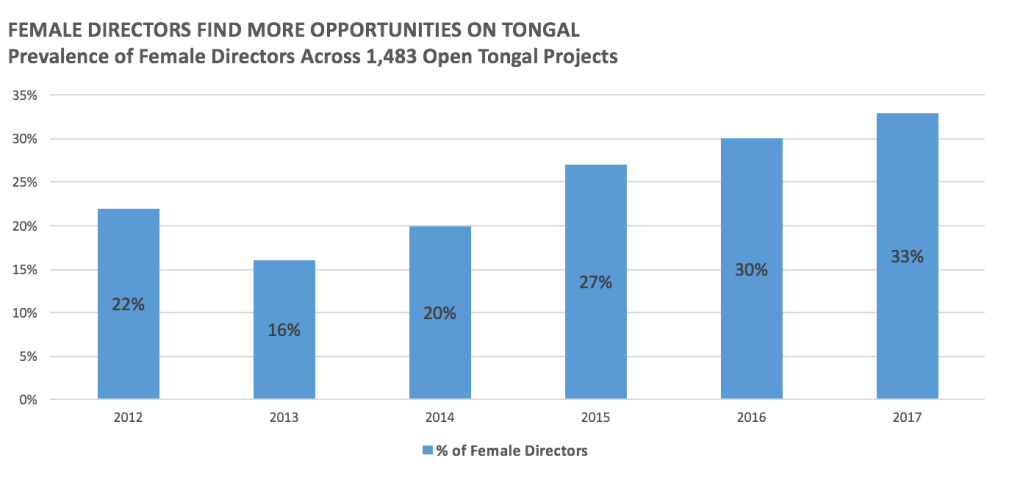
This evolution has been bolstered by the increasing presence of women in creative leadership roles within the entertainment industry. Female writers, directors, and producers are bringing authenticity and nuance to stories that explore these relationships. They are crafting narratives that center women’s desires, vulnerabilities, and strengths, portraying them as complex protagonists rather than supporting characters.
However, as these stories proliferate, it’s worth examining whether they truly dismantle entrenched power dynamics or simply shift the lens. Films like Babygirl, for instance, suggest that even when women appear to hold power, societal structures can undermine their authority in insidious ways—a contradiction that highlights the illusion of power often at play in these narratives.
The Illusion of Power: Babygirl’s Underlying Contradictions
It’s no coincidence that many of these films—May December, The Idea of You, and Babygirl—were helmed by female directors. Their creative vision brings a nuanced perspective to these narratives, showcasing female empowerment both in front of and behind the camera. The increasing representation of women in directing roles has opened doors to stories that center female experiences, desires, and agency, offering a refreshing shift in an industry long dominated by male viewpoints.
However, Babygirl reveals the fragility of this empowerment, starting with its title. The term “babygirl” itself carries an inherent male-dominated connotation—a diminutive, infantilizing nickname often associated with possession and control. This choice feels ironic but also brutally honest given that Nicole Kidman’s character is a CEO, ostensibly the pinnacle of professional and personal power. Yet, as the narrative unfolds, it becomes apparent that even in her position of authority, she is susceptible to the whims and machinations of a seemingly subservient younger man.
This reversal starkly highlights a grim reality: even when women hold institutional power, they remain vulnerable to societal and interpersonal dynamics that diminish their autonomy. A man in her position would likely wield his authority with far fewer challenges to his legitimacy or integrity, underscoring the persistent imbalance in how power operates between genders. In Babygirl, this tension undermines the notion of female empowerment, suggesting that the mere appearance of power isn’t enough to shield women from the societal forces that work to undermine them.
This contradiction is emblematic of the illusion of power these narratives sometimes offer. While they provide a space for women to explore their desires and assert control on screen, they often stop short of challenging the deeper systemic inequalities at play. Ultimately, Babygirl leaves viewers to grapple with an unsettling truth: in a world that still privileges male dominance, even a woman’s victories can be precariously conditional.
Final Thoughts
The rise of female-led age-gap movies undeniably signifies a shift toward greater representation of women in the industry, both in front of and behind the camera. It’s exciting to see older female characters being portrayed as complex, desirable, and central to narratives. However, it’s crucial to ensure these films don’t fall into the trap of being dismissed as just cheesy, feel-good romances—the kind of “soft” work often stereotypically attributed to female directors.
This brings me back to Babygirl. While it was beautifully shot and compelling in parts, it left me disappointed by sidestepping the deeper exploration of power dynamics it seemed to promise. Instead of diving into the complexities and moral ambiguities that age-gap relationships can bring, the film leaned too heavily on surface-level escapism.
That said, I remain hopeful for the future of this genre. There’s so much potential to craft narratives that don’t shy away from the messiness of these relationships—stories that explore the struggle for power, societal judgment, and emotional intricacies in a way that feels authentic and impactful. With more female directors shaping these narratives, there’s an opportunity to move beyond mere fantasy and deliver films that challenge, provoke, and ultimately expand the conversation about love, control, and age more meaningfully.
 the Mirepoix
Leave a comment